
Dec
Coffee Culture
Cultural History of Coffee (East Africa)
The Legend of Kaldi: Where It All Began
The origins of coffee trace back to Ethiopia, where a young goat herder named Kaldi is said to have discovered coffee beans. The story goes that Kaldi noticed his goats became unusually energetic after eating red berries from a certain plant. Curious, he tried them himself and experienced a burst of energy. Word of these magical berries spread, eventually reaching monasteries where monks began using them to stay awake during long prayers.
This humble discovery planted the seeds—quite literally—for what would become a global phenomenon. In Ethiopia, coffee was traditionally enjoyed in ceremonies that involved roasting, grinding, and brewing fresh beans in a process rich with meaning and community connection. These ceremonies continue to this day, offering a glimpse into coffee’s cultural roots.
The Journey Beyond East Africa
From Ethiopia, coffee made its way to the Arabian Peninsula, where it became known as the “wine of Araby.” In Yemen, coffee was first cultivated and brewed as qahwa. This dark, rich drink quickly became a favourite, not just for its taste but for the community it nurtured as well.
The spread of coffee didn’t stop there. Traders and travellers introduced it to Europe, where it gained popularity in bustling coffee houses—places that became hubs of social and intellectual activity. These coffee houses were so influential that they earned the nickname “penny universities,” as people could exchange ideas for the cost of a cup. Similarly, in South America, coffee took root as a crop and culture, shaping economies and traditions for centuries to come.
Brewing Traditions Across the World
Coffee is brewed in countless ways, reflecting the cultures that cherish it. In Ethiopia, it’s still common to enjoy it in a jebena, a traditional clay pot. Across the Middle East, spiced coffee brewed in dallahs (ornate coffee pots) brings warmth to gatherings. Italians gave us espresso, the French popularised café au lait, and in South America, rich, dark coffee often accompanies family meals.
Each method is a window into the culture it represents, showing us how one small bean can unite us while celebrating our diversity.
Coffee Houses: The Heart of Community and Culture
Coffee houses have served as meeting points for artists, writers, activists, and thinkers for centuries now. From the Enlightenment-era salons of Europe to modern-day cafés where freelancers and friends gather, coffee houses have remained central to social life.
They are spaces where ideas flourish, movements are born, and connections are made.
Honouring the Roots
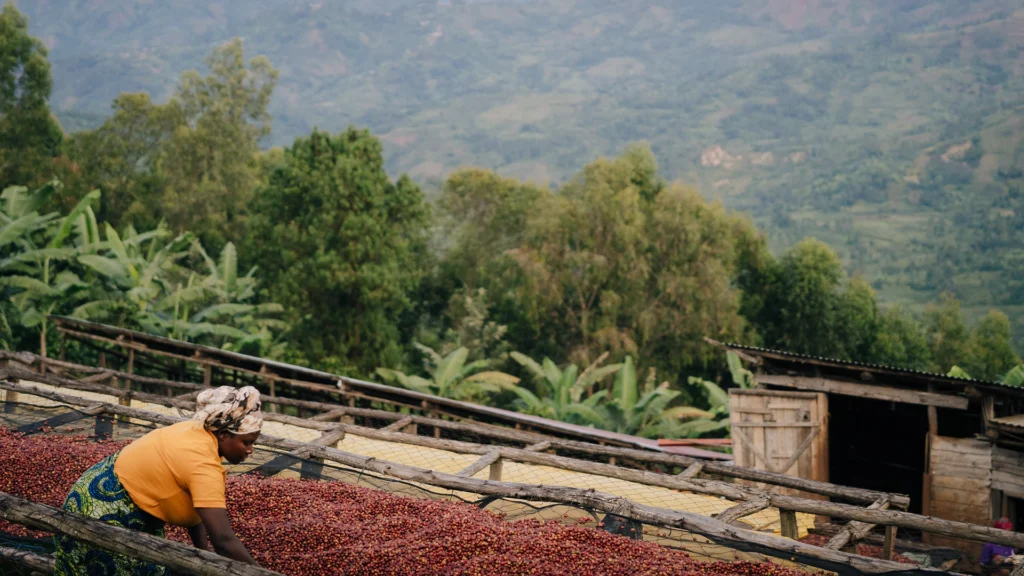
As we sip our morning cup, it’s worth remembering coffee’s origins. It’s a story of discovery, tradition, and community that started in East Africa and spread to every corner of the world. By placing a larger focus on East African coffee origins, we honour the land, the people, and the legacy that gave us this remarkable drink.
So, next time you enjoy a cup of coffee, think of Kaldi, the goats, and the rich history in every sip.
